The health of landscapes directly determines the resilience of ecosystems and the well-being of communities that depend on them. The Sustainable Landscape Management component of MFC-ICLIP is a cornerstone of the programme, focusing on restoring degraded forests, wetlands, and riparian zones across the Mau Forest Complex. By rehabilitating these critical areas, the programme aims to protect biodiversity, stabilize soils, regulate water cycles, and reduce the risk of floods and erosion. Restored landscapes also serve as natural buffers against climate change, helping communities adapt to shifting weather patterns and extreme events.
To reduce pressure on forest resources, MFC-ICLIP promotes alternative energy solutions, including solar power systems, biogas digesters, and energy-efficient cookstoves. These initiatives provide clean, reliable energy to households and institutions, while reducing deforestation caused by firewood and charcoal collection. By introducing sustainable energy practices, the programme fosters both environmental protection and improved livelihoods, as households save time and money while contributing to forest conservation.
Water is another critical element of sustainable landscape management. The programme implements water harvesting, storage, and distribution systems, ensuring communities have consistent access to safe water for domestic use, irrigation, and livestock. These systems also enhance the ecological functions of wetlands and riparian zones, maintaining river flows and supporting aquatic biodiversity. By integrating water management into landscape restoration, MFC-ICLIP strengthens both ecological and human resilience, securing essential ecosystem services for generations to come.
Expected Result:
A revitalized Mau Forest Complex with enhanced ecosystem functionality, increased climate resilience, and improved water security, providing a sustainable foundation for communities, wildlife, and the broader environment.
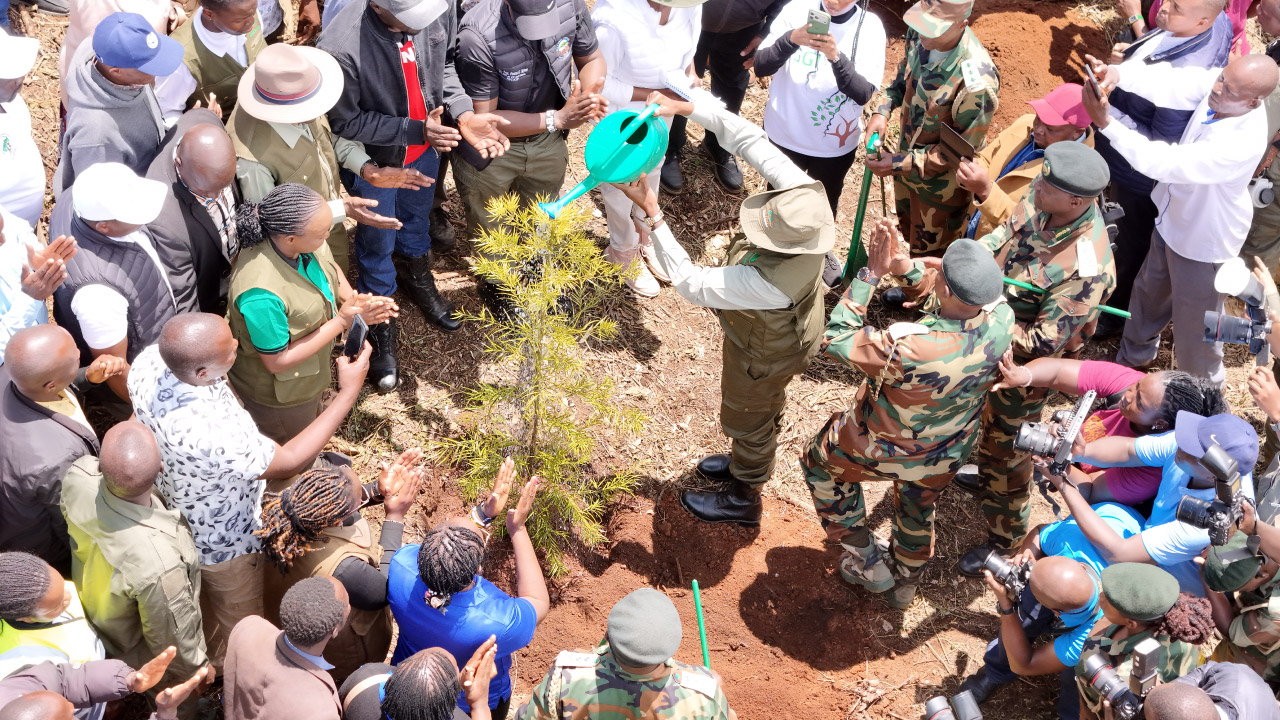
Be part of transforming degraded lands into thriving forests and resilient communities. Support reforestation, clean energy, and water management initiatives to secure a sustainable future.