A Race with a Purpose
Rather than a typical road race, the Mau Conservation Marathon is an embodiment of purpose, an event where every stride is tied to the health of the Mau Forest Complex, Kenya’s largest water tower and a critical ecological asset. The inaugural edition was launched in late 2025 under the banner “Linda Mau, Boresha Maisha” (“Protect Mau, Improve Lives”).
This event is built as a platform to raise awareness, mobilize action and link sport to environmental restoration. As one official put it: “By running for the Mau, we run for clean rivers, biodiversity and healthier communities.”
Why It Matters
The Mau Forest Complex spans hundreds of thousands of hectares of high‑altitude forest and is the source of 12 major rivers that feed lakes, irrigate farms and support ecosystems across Kenya and beyond.
Decades of deforestation, encroachment and land‑use change have threatened this lifeline. The Marathon connects the act of running with the urgency of restoring the Mau – by making restoration visible, communal and celebratory.
The Inaugural Event & Logistics
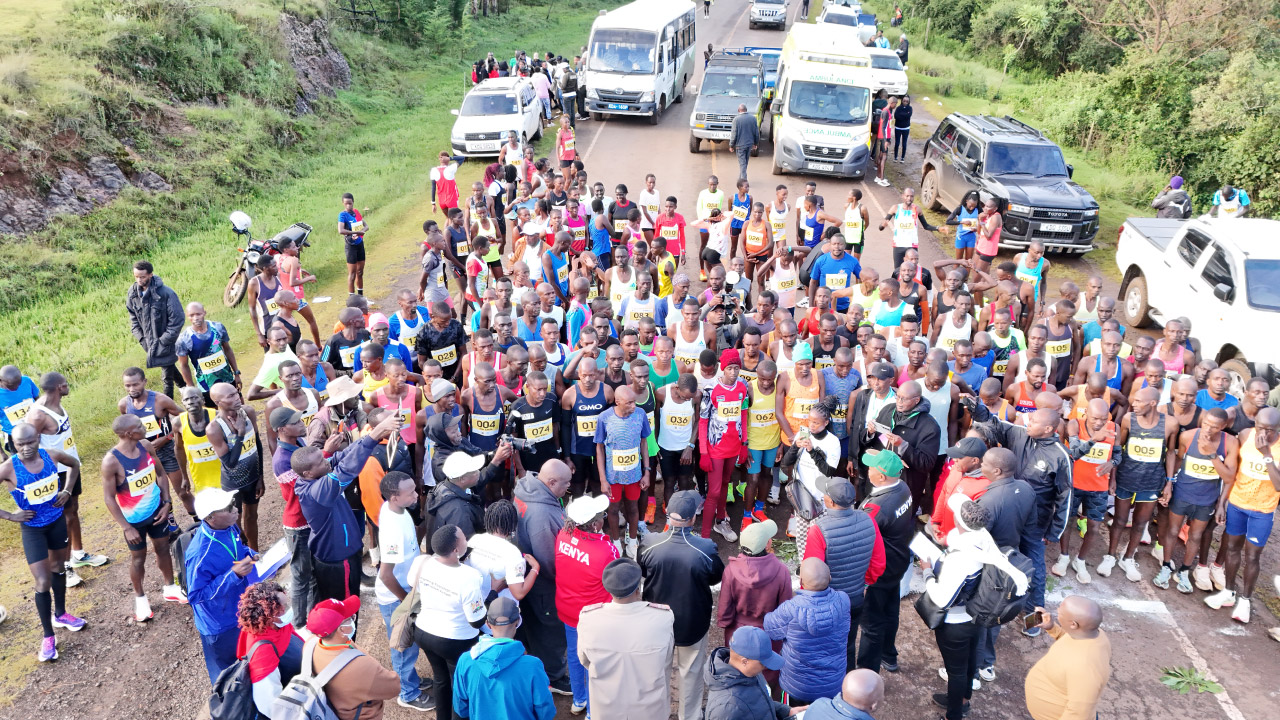
- Happened on: 24 October 2025 (in Kuresoi North, Nakuru County)
- Distances: 21 km, 10 km, 5 km plus fun‑run categories
- Route: High‑altitude terrain (>2,400 m) on the Mau escarpment ridges, such as the Keringet‑Olenguruone side
- Participation: Organisers targeted ~3,000 athletes across categories
- Incentives: Prize pools (e.g., KES 350,000 for top winners) and media spotlight
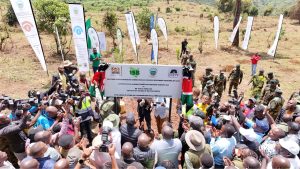
- Symbolism: A tree‑planting session and official launch emphasised the link between sport and conservation
How It Links to Restoration
The Marathon is more than a sporting event; it serves multiple strategic purposes:
- Awareness‑raising: By bringing athletes, media and communities to the Mau region, the event draws attention to the forest’s condition and restoration needs
- Resource mobilisation: The event serves as a fundraising and partnership platform for the larger restoration programme, MFC-ICLIP
- Community engagement: Local athletes, youth groups and schools are involved, fostering a sense of ownership and linking local livelihoods to the forest’s future
- Linking health and nature: The high‑altitude terrain of the Mau region is known for athletic development; tying the event to conservation underscores how the forest underpins both ecological and athletic excellence
Notable Moments
At launch, senior officials like the Principal Secretary for Environment and Climate Change (Dr Eng Festus Ng’eno) and the Governor of Nakuru (Susan Kihika) emphasised the marathon’s significance for conservation and community livelihoods.
Local institutions pledged support, for example, registering participants from Nakuru County and sponsoring large groups.
The high‑altitude setting reminded athletes of the Mau’s role not just in nature but in shaping elite athletic performance, local coaches highlighted that “Every seedling is a future medal. If we lose the Mau, we lose our runners.”
Challenges & Opportunities
Challenges:
- Logistical complexities of staging a mass‑participation event in remote, high‑altitude terrain (road conditions, participant safety, altitude acclimatisation)
- Ensuring transparency and capture of measurable impacts: linking the marathon to tree planting, hectares restored, or livelihoods improved
- Sustaining momentum: making each year’s event more than a one‑off but part of a long‑term conservation calendar
- Ensuring community benefits: making sure local residents are more than spectators – they must be participants and beneficiaries
Opportunities:
- Positioning the Mau Marathon as a flagship annual event for conservation sport in East Africa
- Attracting corporate sponsors, sports tourism and international participants, which would amplify restoration funding and visibility
- Using the event as a platform for education: linking schools, youth clubs and environmental education programmes to the marathon
- Creating a clear linkage from each edition of the race to tangible conservation outcomes (e.g., partner adopts a forest block, athlete sponsors tree planting, community group benefits)
What to Expect Going Forward
- Expanded participation: more categories, increased registration, broader national and international reach
- Restoration milestones linked to the event: e.g., “This year we will plant X seedlings as part of the marathon”
- Formal impact reporting: publishing how many hectares restored, how many jobs created, how many seedlings planted, tied to race sponsorship and participation
- Community integration: stronger involvement of local schools, youth groups, women’s cooperatives and forest‑adjacent communities in both race logistics and restoration outcomes
- Upgrade of route and event experience: enhancing safety, logistics, spectator experience, and linking to eco‑tourism in the Mau region
Why You Should Care
Whether you are a runner, environmentalist, corporate sponsor or community member, the Mau Conservation Marathon offers a unique intersection of sport, conservation and community empowerment. By lacing up your running shoes you become part of a story far larger than yourself – one that ties your heartbeat to rivers, forests, communities and the future of Kenya’s natural heritage. Every stride becomes a vote for water security, climate resilience and renewed livelihoods.
When you cross the finish line in Kuresoi, remember: you’re not just completing a race – you’re helping secure a forest, protect a water tower and preserve a landscape that millions depend on. As one athlete‑coach aptly said, “Every seedling is a future medal.”